
This sage pesto with walnuts and Parmesan is easy to make and full of flavor. It's great with pasta, sandwiches, roasted vegetables, or as a spread.
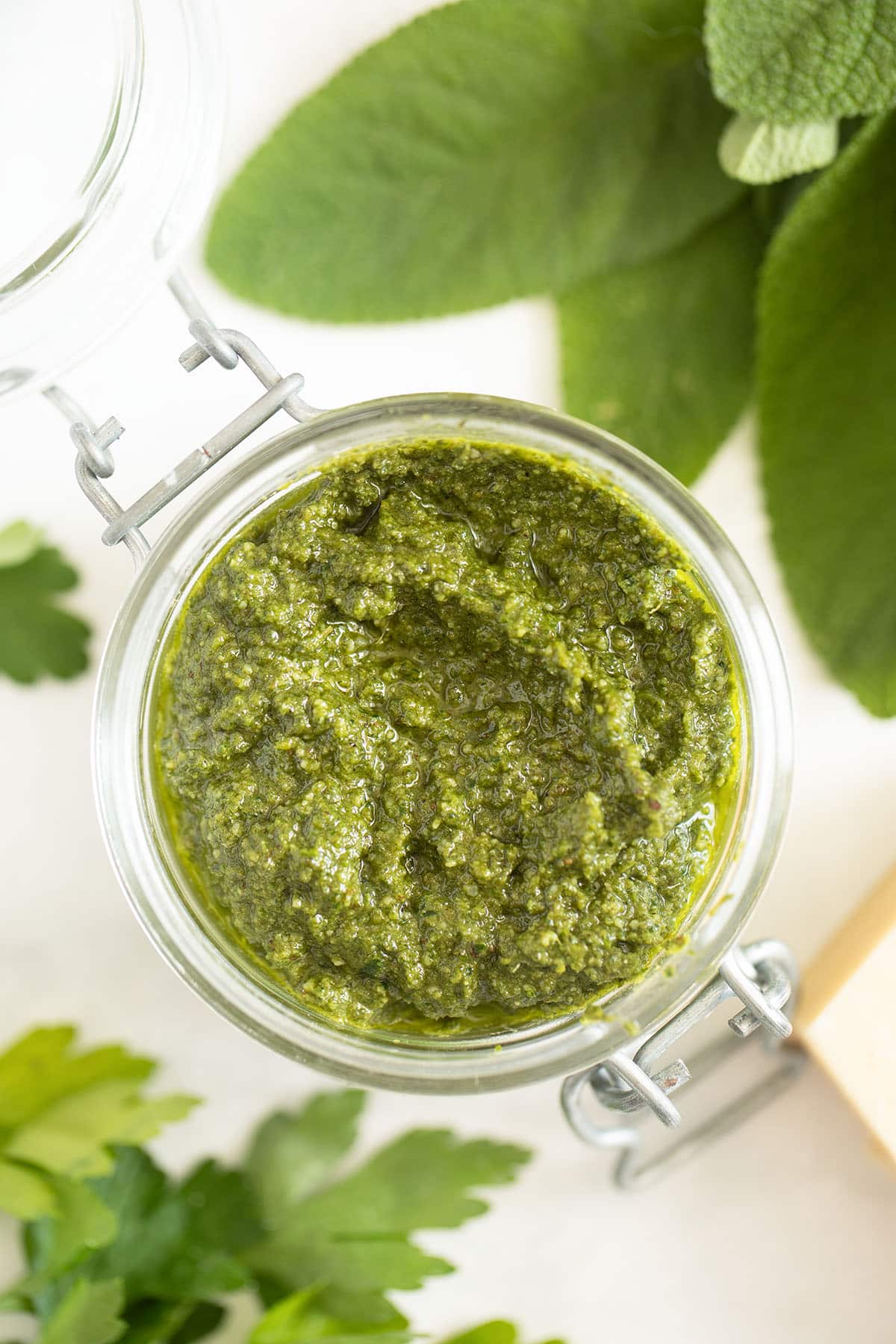
Sage pesto is a great way of using lots of fresh sage leaves at once; that's why I started making it years ago - I have a huge sage bush in the garden.
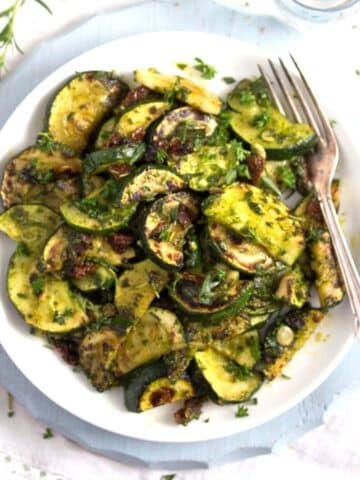
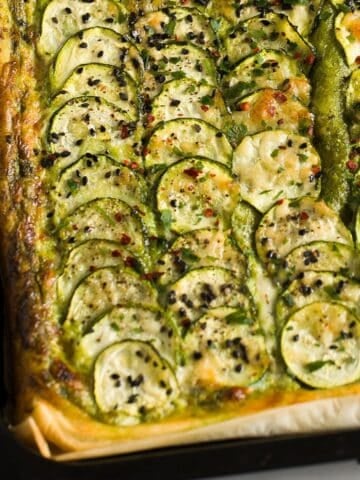
The pesto keeps well, freezes beautifully, and goes with so many things, from pasta like this Tuna Pesto Pasta and sandwiches to roasted vegetables and savory pastries like these Puff Pastry Canapés.
Herb pesto like this is a simple way of preserving fresh garden herbs and adding flavor to pasta, sandwiches, roasted vegetables, or rustic appetizers.
I often make herb pesto during summer and autumn when the garden herbs grow faster than I can use them. If you have more herbs to use, try this Lemon Balm Pesto, Lovage Pesto, or Mint Basil Pesto as well.
Ingredients: 6+ salt & pepper | Prep Time: 5 minutes | Cook Time: 15 minutes | Servings: 6 jars a 4 oz/ 120 ml | Difficulty: Easy
Recipe ingredients
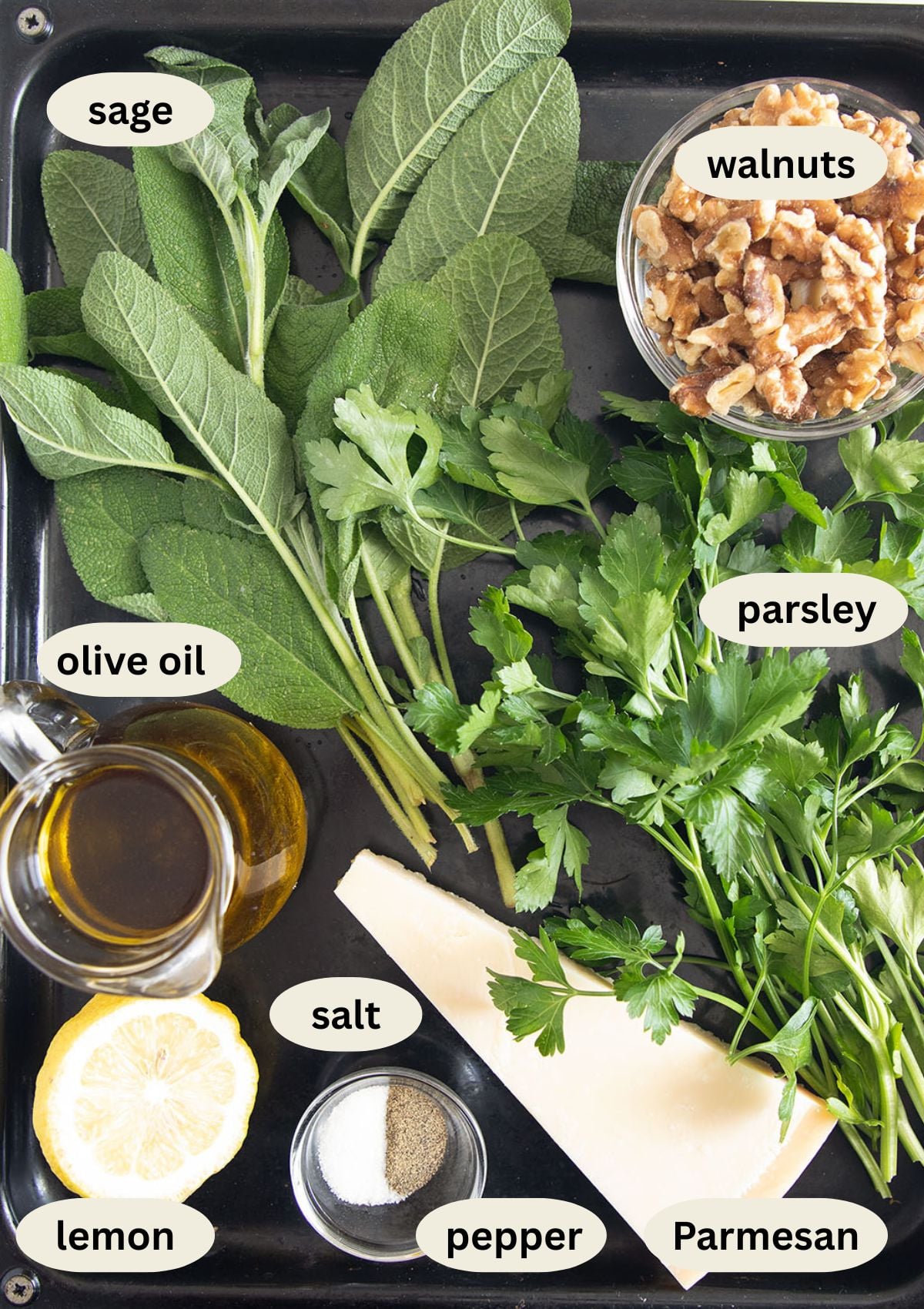
Sage: Use fresh sage leaves with the stems removed. I strongly recommend weighing the leaves instead of measuring them in cups. If you have more sage, make this delicious Sage Chicken, too.
Walnuts: Toasting the walnuts improves the flavor a lot. You can replace half or all of them with pine nuts. Cashews work very well, too.
Parmesan: Use Parmesan from a wedge and grate it yourself if possible. Pecorino works too.
Olive oil: Add a little more if you prefer a thinner pesto.
See the recipe card for full information on ingredients and quantities.
How to make sage pesto?
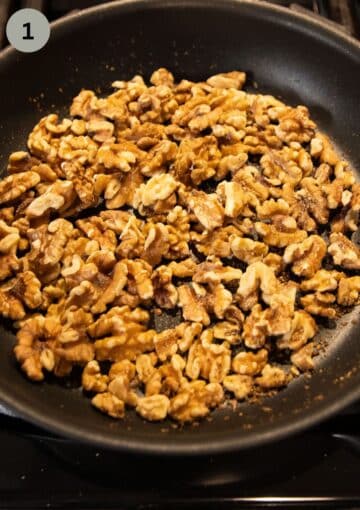
Step #1: Toast the walnuts in a dry pan until golden and fragrant, shaking often. Transfer them to a plate.
Step #2: Wash and dry the herbs well. Remove the stems and weigh the leaves. Place half of them in the food processor and pulse briefly until they collapse.
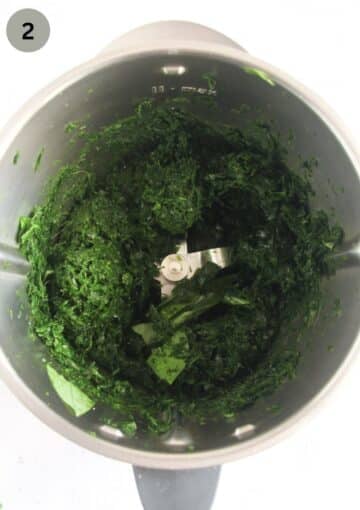
Step #3: Add the remaining herbs, walnuts, Parmesan, garlic, olive oil, salt, and pepper. Blend until the pesto is fairly smooth, scraping down the sides a few times in between.
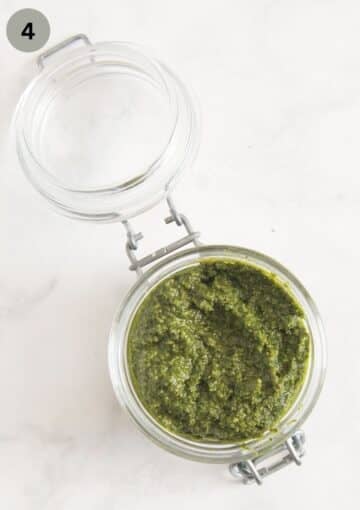
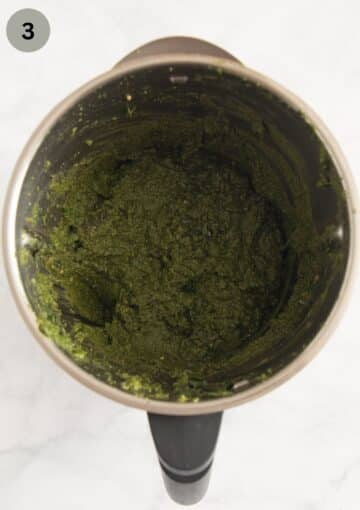
Step #4: Transfer the sage pesto to clean jars. Keep one jar in the fridge and freeze the rest if desired.
Tips
I always make a double batch of any pesto. Garden herbs tend to grow faster than I can use them, and my food processor blends larger amounts more easily. I freeze the extra jars, so I always have homemade pesto ready for pasta, sandwiches, or roasted vegetables.
Dry the herbs very well before blending them. Too much moisture can shorten the storage time.
Scrape down the food processor several times to make the pesto smoother and evenly blended.
Storage
Keep the sage pesto in clean jars in the fridge for several days.
For longer storage, freeze it in small jars. If freezing the pesto in jars, leave a little headspace so the jars don't crack. If you have access to wild garlic, try this amazing Wild Garlic Pesto; I make a huge batch every spring and freeze the jars, too.
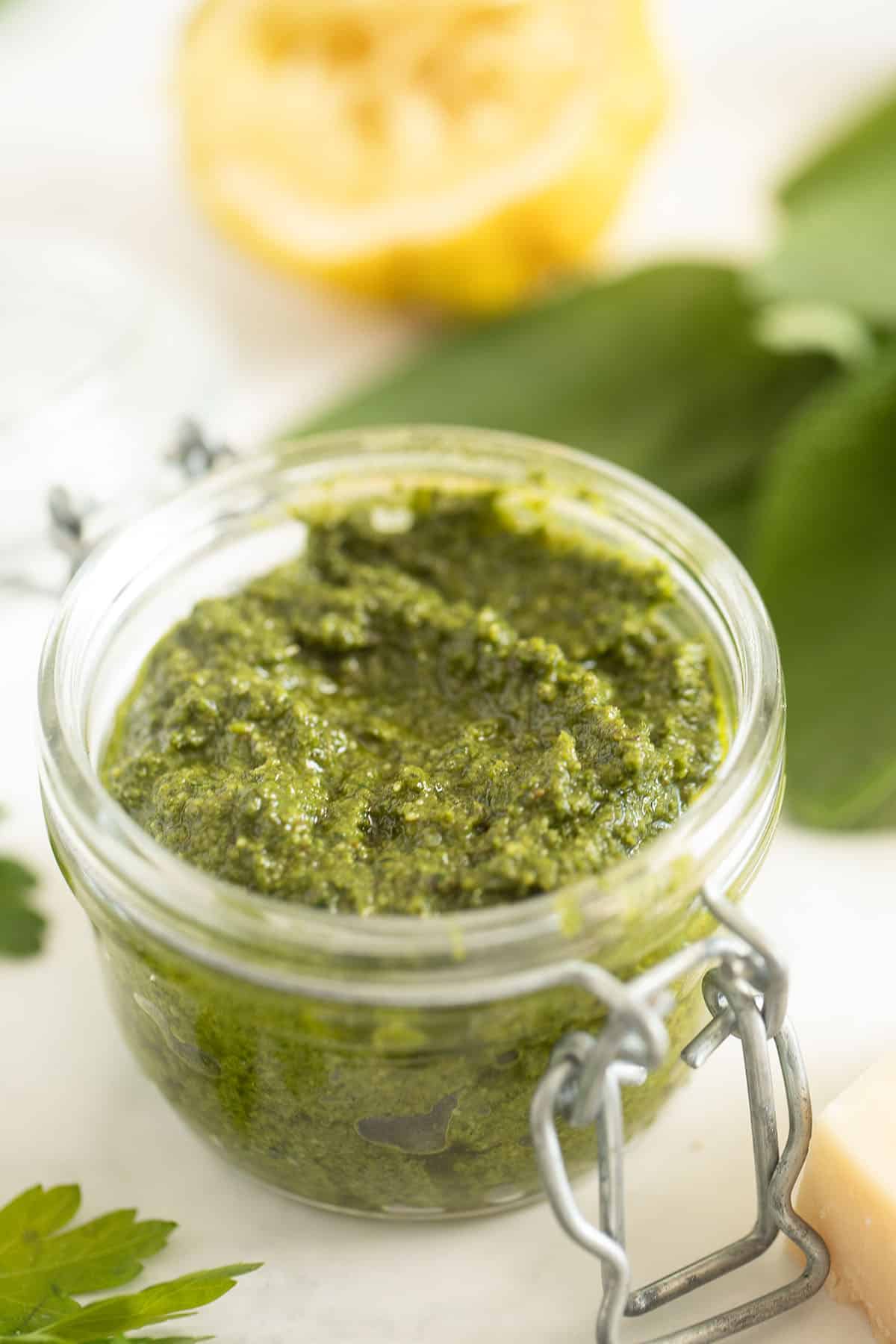


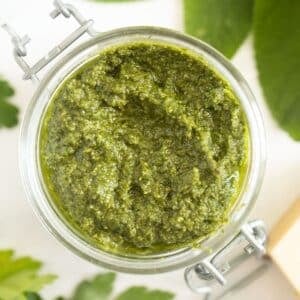
Sage Pesto
Equipment
- Pan or skillet
- Food processor
- Small jars Note 1
Ingredients
- 2.5 oz sage Notes 2, 3
- 1 oz parsley
- 2.5 oz walnuts Note 4
- 3.5 oz Parmesan cut into cubes, Note 5
- ½ cup olive oil
- 1 tablespoon lemon juice freshly squeezed
- ¾ teaspoon fine sea salt or to taste
- ¼ teaspoon ground black pepper
Instructions
- Toast the walnuts in a dry pan until golden and fragrant, shaking the pan often so they don't burn. Transfer them to a large plate and let them cool while you prepare the herbs.2.5 oz walnuts
- Prepare the herbs: Wash and dry them very well. I usually spread them on a large, clean kitchen towel and pat them dry with another towel. Remove the stems and weigh the leaves.2.5 oz sage + 1 oz parsley
- Blend the herbs: Place about half of the herbs in the food processor and pulse briefly until they collapse and make room for the remaining ingredients.
- Add the remaining herbs and all the other ingredients.3.5 oz Parmesan + ½ cup olive oil + 1 tablespoon lemon juice + ¾ teaspoon fine sea salt + ¼ teaspoon ground black pepper
- Blend until the pesto is fairly smooth, scraping down the sides of the food processor a few times in between.
- Transfer the pesto to very clean jars. I keep one jar in the fridge for immediate use and freeze the remaining jars.
- Freezing: Leave about ½ inch/1.2 cm headspace in the jars and don't screw the lids on tightly before freezing. Once frozen, close the jars properly.
Notes
- Freezer note: This batch is ideal for freezing in 4 oz/ 120 ml jars, since it holds up well and is easy to portion later. You will need 5-6 jars. But, of course, you can use any size you like or have.
- Batches: I usually make a double batch of pesto because I often have lots of fresh herbs to use. My food processor also handles larger amounts better, which means less scraping down the sides. I freeze the extra jars, so I always have homemade pesto on hand.
- Measurements: I strongly recommend weighing the herbs after removing the stems. Measuring them in cups is not very accurate.
- Nuts: Replace half or all of the walnuts with pine nuts if desired. Cashews work very well, too.
- Parmesan: Use Parmesan from a wedge, not pre-grated cheese; it makes a big difference.


Leave a Reply